
Most Reliable Used Cars That Won't Break Down
The most reliable used cars in 2026 go 200,000+ miles. See which brands and models last, which ones to avoid, and how to spot a well-kept one before you buy.

The most reliable used cars share one deeply boring trait: they’re proven. Not new, not freshly redesigned, not loaded with first-generation technology. “Reliability” gets thrown around so loosely in car listings that it’s almost meaningless, so let’s define it properly — a reliable used car is one that goes 200,000 miles or more on routine maintenance, without a catastrophic, wallet-emptying failure along the way.
The models that clear that bar consistently are the ones refined over years and bought by millions of people who all report the same unremarkable thing: it just keeps running. Here’s how to find one — and, just as importantly, how to tell a good example of a great model from a neglected one.
Reliability is a model-level fact, not a brand badge
Some brands earned their reputation through decades of consistent engineering. Toyota, Lexus, Honda and Mazda repeatedly finish at or near the top of the long-term dependability studies published by J.D. Power and Consumer Reports. Subaru earns its loyalty on all-weather durability. That reputation is real, it’s priced into the used market, and it’s usually worth the small premium.
But — and this is the part most “most reliable used cars” lists skip — reliability lives at the model level, and often at the model year level. Even great brands ship a weak model or a bad year. Even mediocre brands build one or two cars that run forever. The badge narrows your search; it doesn’t finish it.
A reliable used car isn’t a lucky find. It’s a proven model, a documented history, and a car that was cared for. Get all three and you rarely get surprised.
The used models that consistently pass 200,000 miles
Filter for cars that routinely cross 200,000 miles and the same names keep surfacing:
- Compact and midsize sedans. The Toyota Corolla, Toyota Camry, Honda Civic and Honda Accord are the gold standard. Simple, refined, cheap to fix — and so common that parts and independent mechanics who know them are everywhere, which quietly keeps the lifetime cost down.
- Compact SUVs. The Toyota RAV4, Honda CR-V and Mazda CX-5 carry the same mechanical DNA in a more practical shape. In most cases they’re the sedan underneath, which is exactly why they last.
- Trucks. The Toyota Tacoma is legendary for longevity and holds value so stubbornly that a high-mileage one can still ask real money. Annoying to buy, great to own.
- Hybrids. The Toyota Prius surprises people. Its hybrid system is far more durable than the myths suggest, the engine runs under less stress than a conventional one, and plenty pass 200,000 miles on the original battery. Federal law also requires at least an 8-year/100,000-mile warranty on hybrid components (longer in states following California’s rules), so many used hybrids still have coverage left.
If your budget is the tighter constraint, several of these show up in our guide to the best cars under $20,000 in the US & Canada — and if the car is for a new driver, the same reliability logic drives our best first cars for teens and new drivers picks.
The model years worth stepping around
You don’t need a memorized list of bad years. You need three rules that catch most of them:
- Skip the first year of a redesign. A brand-new generation, engine or transmission is where manufacturers work the bugs out on customers. The second or third year of the same generation is usually the sweet spot — same car, fewer surprises.
- Prefer the simpler powertrain. A naturally aspirated four-cylinder has fewer expensive things to fail than a small turbocharged engine making the same power. Early continuously variable transmissions (CVTs) and dual-clutch automatics have a noticeably rougher track record than conventional automatics; later versions are much better, but it’s worth knowing which one is in the car you’re looking at.
- Ask whether it’s a timing belt or a timing chain. Belts are a scheduled replacement — miss the interval and it can destroy the engine. Chains generally last the life of the car. If it’s a belt, find out whether the service was done and when.
For any specific year you’re considering, spend five minutes on NHTSA’s complaint and recall database. A model year with hundreds of complaints about the same component is telling you something no brand reputation can override.
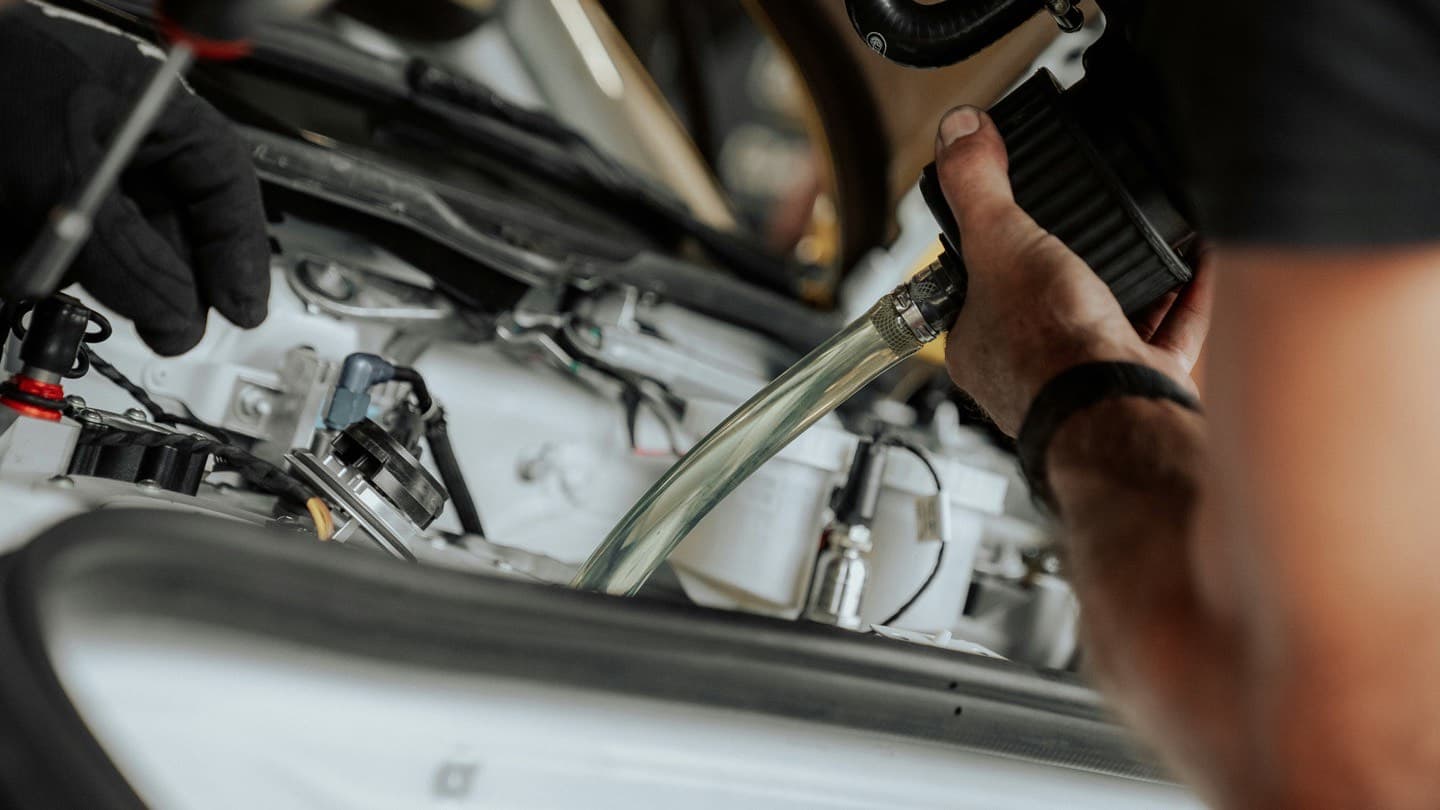
What quietly kills reliability in an otherwise good car
A Corolla that was never serviced is not a reliable car. The model gets you good odds; the individual car’s history decides whether you actually collect on them. Watch for:
- No service history. Skipped oil changes and deferred maintenance shorten any car’s life, and you can’t see the damage from the driver’s seat.
- Signs of hard use or neglect. A thrashed interior usually means a thrashed engine. Worn pedals and a shiny steering wheel on a low-mileage car suggest the odometer is telling a different story than the car is.
- Modified from stock. Aftermarket tuning, lowered suspension and non-factory parts add risk and often signal how the car was driven.
- A deal that’s too good. A reliable model priced far below the market almost always has a reason — a salvage title, an unrepaired recall, or a repair bill the seller decided was your problem.
Three checks before you hand over money
- Run the VIN. Check for open recalls (free at NHTSA) and pull a full history report for title status, accidents and reported service.
- Pay for an independent pre-purchase inspection. A couple of hundred dollars at a mechanic who doesn’t work for the seller is the highest-return money in the entire process — even on a car sold as certified.
- Check the price against the market, not the sticker. Knowing what the car is actually worth is how you tell a fair price from a red flag. Our guide on how to not overpay for your next car covers exactly how to do that.
How to find a reliable used car near you
Knowing the reliable models is step one. Step two is finding a specific well-priced, well-maintained example near you — and that’s where the hours disappear into browser tabs.
Karvo does that part for you. Tell it you want something reliable, set your budget, and it searches real listings near you and ranks your best options on the things that actually matter — price against the pool, mileage, age, distance, how long it’s been sitting — so you’re comparing genuinely good cars instead of drowning in listings. You see how many matches exist before you pay anything.
Not ready to start a full search? Our free 60-second car quiz is a no-commitment way to narrow down what kind of car fits you first.
The bottom line
The most reliable used cars are the boring, proven ones: Corollas, Camrys, Civics, CR-Vs, RAV4s and their siblings. But reliability is only half brand and half history. Check the specific model year, demand a documented maintenance record, and pay for the inspection. Get the model and the individual car right, and you end up with something that simply refuses to quit.
Ready to find a reliable car near you?
$9.99 one-time. Search runs free — you only pay once you see how many matches exist.
Get My Ranked Top 10 →