
Best First Cars for Teens & New Drivers: The Honest 2026 Guide
The safest, most reliable first cars for teens in 2026 — real new and used prices, insurance costs, and how to pick the right one. Free car quiz inside.
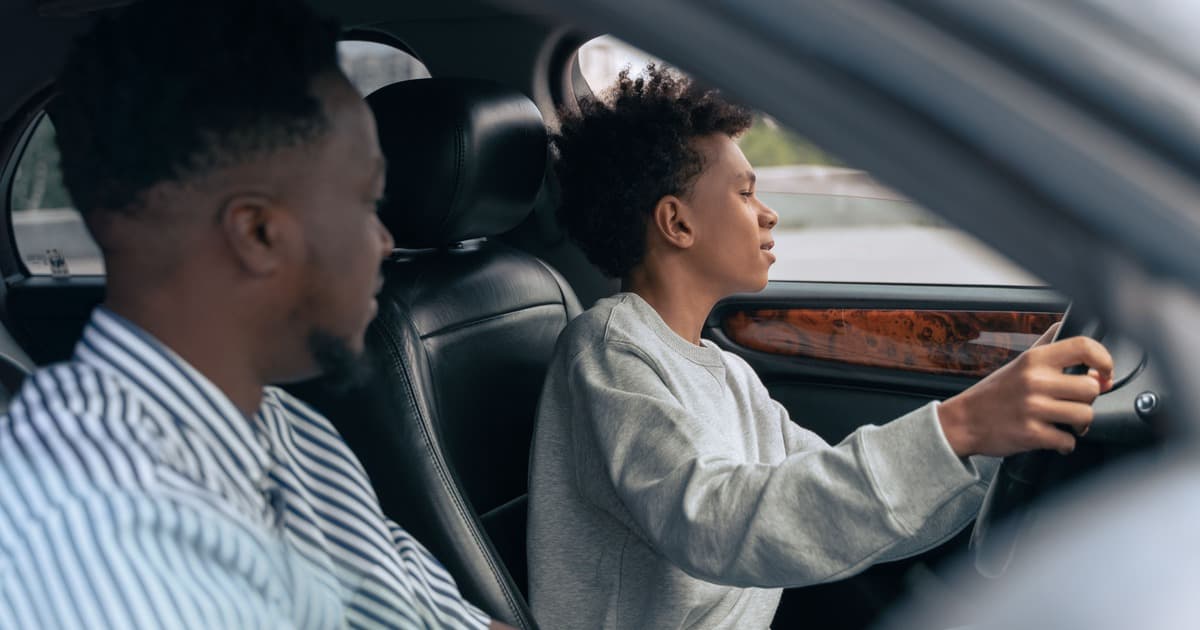
Every August, the same search spikes: parents and newly licensed teens typing “best first car” into their phones between back-to-school shopping runs. And most of the lists they land on quietly skip the one fact that should shape the entire decision. According to the IIHS, the fatal crash rate per mile driven for 16- and 17-year-olds is about three times the rate for drivers 20 and older, and risk is highest at age 16. A first car isn’t a style statement or a horsepower contest. It’s a safety device your kid will be strapped into during the riskiest driving years of their life.
The good news: you don’t have to choose between “safe” and “affordable.” This guide walks through what actually matters in a first car, the best new options if you’re buying fresh, and the used picks that make more sense for most families — with real 2026 pricing throughout. No hype. Just what’s true right now.
What Actually Matters in a First Car (It’s Not Horsepower)
If you strip away the marketing, three things decide whether a first car is a good one: crash protection, reliability, and cost to insure. Everything else is a nice-to-have.
Here’s the framework the experts use. Every year the Insurance Institute for Highway Safety (IIHS) and Consumer Reports jointly publish a list of recommended vehicles for teens, updated most recently on May 27, 2026. To make the cut, a car has to earn good crash-test scores, weigh more than 2,750 pounds (small, light cars don’t protect their occupants as well in a multi-vehicle crash), and — importantly — it can’t have excessive horsepower relative to its weight or be marketed as a performance vehicle. In other words, the people who study crashes for a living deliberately screen out fast cars for new drivers.
A few features matter more than anything on the window sticker:
- Automatic emergency braking (AEB). This is the single most valuable piece of safety tech for an inexperienced driver, and rear-end crashes make up a large share of the crashes teens are in. It’s now near-universal on new cars — automakers voluntarily committed to putting AEB in nearly all new vehicles by 2025, and a federal rule (NHTSA’s FMVSS 127) will make a higher-performing version mandatory on all new cars and light trucks by September 2029.
- Blind-spot and rear cross-traffic warning. Standard on more and more models every year, and genuinely helpful for a driver still building instincts.
- A loud, persistent seat belt reminder. Teens buckle up less than adults, and IIHS added seat-belt-reminder quality to its 2026 new-car criteria for exactly that reason.
For parents, this is the reassuring part: you can hand your teen a car that actively helps prevent the mistakes new drivers make — and it costs less than the flashy alternative.
Insurance: The Cost Nobody Warns You About
Before you fall in love with any car, understand what it will cost to insure, because for a teen it’s often the biggest recurring expense. Adding a teen driver typically raises a family’s premium by 50% to 100%, according to the Insurance Information Institute. Bankrate found that the average full-coverage rate for a 16-year-old on a parent’s policy was $5,740 a year as of November 2025 — a nearly $700 jump from two years earlier — and The Zebra pegged the average annual cost to insure a 16-year-old at $7,658 in 2025. Those are eye-watering numbers.
Two things pull them down. First, the car you choose. The cheapest vehicles to insure for teens are safe, moderate-powered sedans and small-to-midsize SUVs — not sports cars, turbocharged models, or anything with a high theft rate. Per ValuePenguin’s 2026 analysis, “the cheapest cars to insure for teens are all midsize crossovers,” with the Subaru Outback, Honda CR-V, and Mazda CX-5 topping the list, while sportier and luxury models cost dramatically more. Second, the good-student discount. CarInsurance.com puts the average good-student discount at about 12.5% (ranging from roughly 6% to 25% by insurer); LendingTree found a 16-year-old on a parent’s policy saves an average of 10.9% — about $546 a year — by qualifying, and up to 18.5% in the highest-saving states.
Practical move: get an insurance quote on the specific car before you buy it, not after. The difference between two seemingly similar cars can be hundreds of dollars a year.
Best NEW First Cars for Teens (2026)
If you want a full warranty, zero prior owners, and the newest safety tech, these are the honest picks. All appear on or align with the 2026 IIHS/Consumer Reports recommendations, and all come in well under the roughly $50,000 average new-car price.
- Toyota Corolla — starts around $23,900 (with destination). The default answer for a reason. For 2026 it added standard blind-spot monitoring and rear cross-traffic alert across the lineup, on top of Toyota’s standard Safety Sense 3.0 suite. Legendary reliability, strong resale, and cheap to run. The Corolla Hybrid (about $25,000 to start) returns around 50 mpg if your teen drives a lot.
- Mazda3 — starts around $25,900. A 2026 IIHS/CR recommended pick and a Top Safety Pick, with a nicer interior and better driving feel than most rivals. Some parents like that its engaging feel keeps a driver attentive; skip the 250-hp turbo version for a teen.
- Honda Civic — sedan starts around $24,700. Roomy, dependable, and fitted with the standard Honda Sensing safety suite. A perennial safe choice, though note the Civic is a common theft target, which can nudge comprehensive premiums up.
- Hyundai Kona — starts around $25,500. A 2026 recommended small SUV with a higher seating position and a long warranty. Hyundai’s Bluelink app can alert you to speeding or geofence limits — useful for a first-year driver. Stick with the base non-turbo engine.
If a brand-new car is realistic for your family, buying new means you’re guaranteed the latest crash protection. But for most families at this life stage, the smarter money is used.
Why Used Is Usually the Smarter Buy — and the Best Picks
Here’s the honest math. New cars lose a big chunk of value fast, and a first car has a decent chance of picking up a parking-lot dent or worse. Spending $30,000-plus on a vehicle a 16-year-old is learning in is a tough financial case. The used market lets you get proven safety tech for far less.
The catch in 2026 is that “cheap used car” is harder than it used to be. The average used car runs about $26,000, and Edmunds reported the average 3-year-old used vehicle hit a record $32,461 in Q2 2026 — with fewer than a third of used sales now landing under $20,000. That means the sweet spot for a teen is often a slightly older, higher-mileage car with the safety features that count. Reliability history matters more than sticker price: a cheap car that needs a $3,000 repair in year one was never cheap. Our roundup of the most reliable used cars covers which models hold up past 200,000 miles.
Good news — the IIHS/CR list breaks recommended used cars into two tiers, and there’s something at nearly every budget. Prices below are the IIHS median retail figures (Black Book, spring 2026), rounded.
Best value under ~$10,000 (Good Choices)
- Nissan Sentra (2015+) — about $4,700
- Kia Soul (2015+) — about $5,300; easy to see out of and cheap to run
- Hyundai Elantra (2017+) — about $6,100
- Mazda3 (2014–18) — about $6,900
- Subaru Impreza (2014+) — about $8,000; standard all-wheel drive for winter states
- Honda Civic (2014+) — about $8,100
- Subaru Crosstrek (2016+) — about $9,000
Best “Best Choices” with standard AEB (roughly $13,000–$19,000)
- Mazda CX-5 (2018+) — about $13,100, and Mazda3 (2019+) — about $13,200
- Subaru Forester (2019+) — about $15,900; AWD and Subaru’s EyeSight safety suite
- Toyota Camry (2019+) — about $17,300; roomy, bulletproof reliability
- Ford Bronco Sport (2021+) — about $18,100
- Hyundai Tucson (2022+) — about $19,100
A note on body style: a small or midsize SUV like the Forester, CX-5, or Tucson weighs about the same as a midsize sedan while giving a higher view of the road, which many new drivers find easier — and, as the insurance data shows, they’re often cheaper to insure than you’d expect.
If your ceiling is firmer than your body-style preference, our guide to the best cars under $20,000 in the US & Canada covers the same market from the budget side.
The Pre-Purchase Checklist for a Teen’s Car
Before money changes hands, especially on a used car:
- Run the VIN for open recalls — free. This is non-negotiable on a used car. Even great models get recalls: in a report dated October 30, 2025 (NHTSA campaign 25E071), Honda recalled 406,290 vehicles over certain 18-inch accessory alloy wheels sold for 2016–2021 Civics that a manufacturing error could allow to detach. Check the VIN at NHTSA’s recall lookup (or Transport Canada in Canada) and confirm any open recall has been fixed.
- Get a full vehicle history report (Carfax or equivalent) — clean title, no major accidents, consistent maintenance.
- Have an independent mechanic inspect it before you commit, even if it’s sold as “certified.”
- Get the insurance quote first. Quote the exact car before you buy so the premium doesn’t surprise you — and ask about the good-student discount.
- Don’t shop on price alone. Two cars at the same price can differ by tens of thousands of miles and years of remaining life. Financing costs money too; used-car loan rates have been running around 11% in 2026, so get pre-approved.
The Hard Part Is Picking ONE
Here’s the thing every list like this runs into: it can tell you the Corolla and the Forester and the CX-5 are all great, but it can’t tell you which one is right for your teen, your budget, and your winters — or find the actual clean-history listing near you at the right price.
That’s exactly what Karvo does. Instead of cross-referencing five “best of” lists and hoping they apply to you, you answer a few quick questions — new or used, budget, must-haves, where you drive — and get an AI-ranked top 10 built from real, current listings across the US and Canada, each with a plain-English “why this fits you.” One search covers both new and used, because the right first car might be either. It’s $9.99, one time — no subscription — and the search runs free, so you only pay once you see how many real matches exist.
Not ready to spend anything yet? Start with our free 60-second car-personality quiz — it’s a no-commitment way to figure out what kind of first car actually fits before you dig into listings.
Too many cars. We pick yours.
Ready to find the right first car?
$9.99 one-time. Search runs free — you only pay when you see how many matches exist.
Get My Top 10 Matches →